
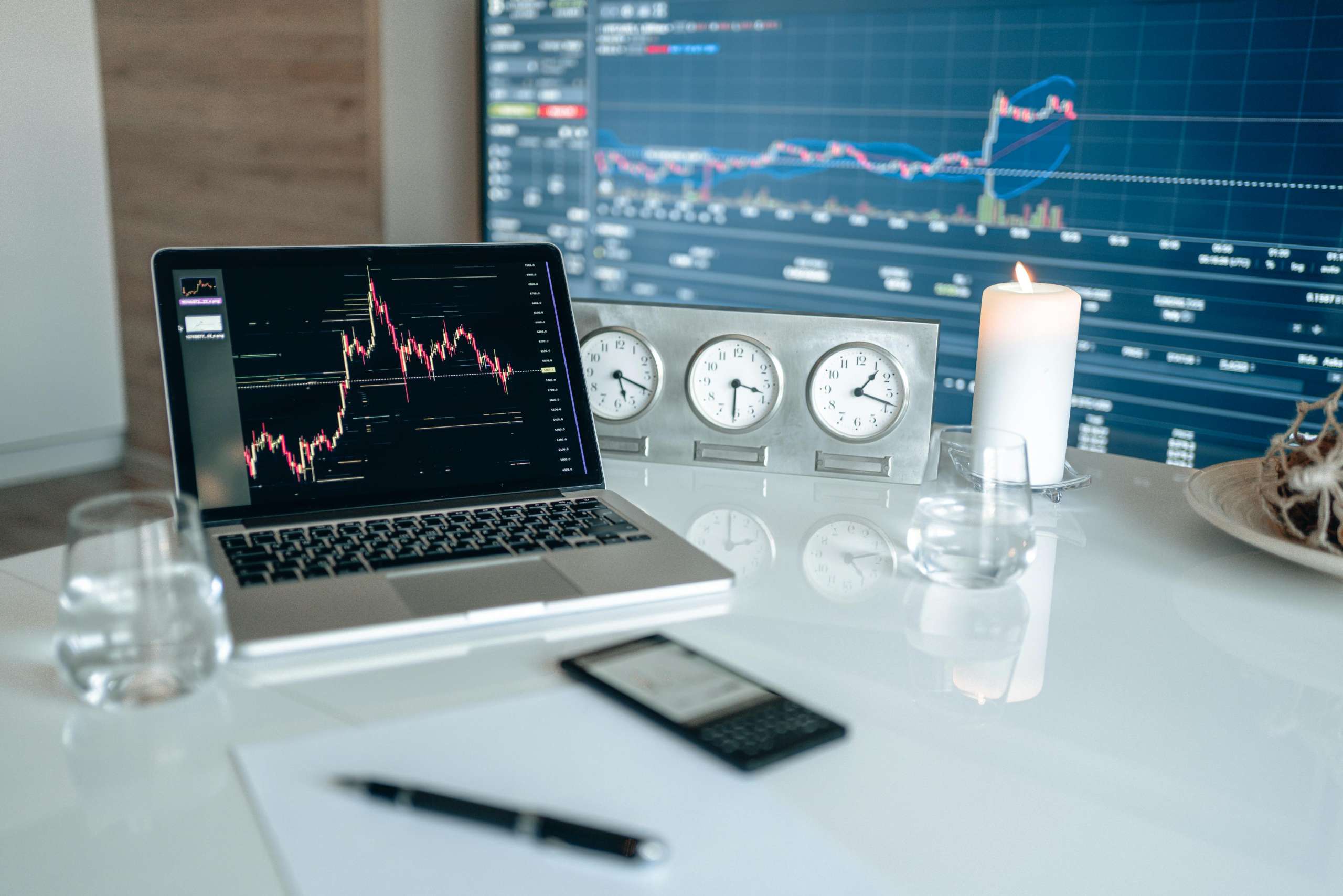
Markets evolve constantly. Technologies change, new industries emerge, and global dynamics shift. Yet beneath the surface volatility, the fundamental forces that shape markets remain remarkably consistent. Understanding these enduring principles is what separates reactive participants from strategic decision-makers.
Whether you are an investor, business leader, or simply someone trying to make sense of economic headlines, mastering these timeless market dynamics provides a durable edge—one that remains relevant regardless of the latest trend cycle.
What Are “Markets” Really?
At their core, markets are systems where buyers and sellers interact to determine price and allocate resources. This applies broadly—financial markets, labor markets, real estate, commodities, and even digital attention markets.
Despite their complexity, markets operate on a few foundational principles:
- Supply and demand
- Information flow
- Incentives
- Human behavior
Everything else—algorithms, high-frequency trading, globalization—is layered on top of these basics.
1. Supply and Demand: The Immutable Law
No principle is more central—or more enduring—than supply and demand.
When demand exceeds supply, prices rise. When supply exceeds demand, prices fall. This mechanism operates across all markets, from oil and housing to stocks and labor.
Why It Still Matters Today
Even in a world of AI-driven trading and global interconnectedness, supply and demand remains the ultimate price-setter. Consider:
- Housing shortages driving up home prices
- Limited semiconductor supply affecting global manufacturing
- Consumer demand surges reshaping entire industries overnight
Short-term noise can obscure this force, but over time, prices always gravitate toward equilibrium.
2. Information Asymmetry: The Hidden Advantage
Markets are not perfectly efficient. Information is unevenly distributed, and those with better insights often outperform.
Historically, this meant insiders or institutions had the edge. Today, while access to information has improved dramatically, interpretation remains the differentiator.
The Modern Reality
We live in an age of information abundance, not scarcity. The advantage no longer comes from having data—but from:
- Knowing what matters
- Filtering noise from signal
- Acting before consensus forms
Markets reward clarity of thinking more than sheer volume of information.
3. Human Behavior: The Constant Variable
Despite technological advances, markets are still driven by people—and human psychology hasn’t changed.
Fear, greed, overconfidence, and herd mentality continue to shape market outcomes.
Behavioral Patterns That Never Disappear
- Panic selling during downturns
- Euphoria during bull markets
- Chasing past performance
- Ignoring long-term fundamentals for short-term gains
These patterns repeat across generations. Recognizing them allows investors to act rationally when others cannot.
4. Cycles Are Inevitable
Markets move in cycles—expansion, peak, contraction, and recovery. While timing these cycles perfectly is nearly impossible, understanding their existence is critical.
Why Cycles Persist
Cycles are driven by:
- Credit expansion and contraction
- Business investment patterns
- Policy decisions
- Shifts in consumer confidence
Every boom contains the seeds of its eventual correction. Every downturn creates the conditions for recovery.
Practical Insight
Instead of trying to predict exact turning points, focus on positioning:
- Be cautious during extremes of optimism
- Be opportunistic during widespread pessimism
This mindset aligns with how markets actually behave over time.
5. Liquidity: The Lifeblood of Markets
Liquidity—the ease with which assets can be bought or sold—plays a central role in market stability.
When liquidity is abundant, markets tend to rise. When liquidity tightens, volatility increases.
Where Liquidity Comes From
- Central bank policies
- Interest rates
- Credit availability
- Institutional capital flows
Liquidity doesn’t just affect financial markets—it influences business expansion, hiring, and consumer spending.
6. Risk and Reward Are Always Linked
There is no such thing as a free lunch in markets. Higher returns always come with higher risk.
This principle is timeless because it reflects fundamental uncertainty. Markets compensate participants for bearing risk—not for simply participating.
Common Misunderstandings
- High returns without understanding risk exposure
- Overconcentration in a single asset or sector
- Confusing short-term success with skill
Long-term success comes from managing risk, not chasing returns.
7. Market Efficiency Is Relative, Not Absolute
The idea that markets are perfectly efficient—where all information is instantly priced in—is more theory than reality.
Markets are:
- Efficient most of the time
- Inefficient at the margins
- Highly inefficient during extremes
Where Opportunities Exist
- Undervalued sectors overlooked by mainstream attention
- Mispriced assets during panic or euphoria
- Structural changes not yet fully recognized
Efficiency improves over time, but it never fully eliminates opportunity.
8. Global Interconnectedness Amplifies Impact
Modern markets are deeply interconnected. A shock in one region or sector can ripple across the globe.
However, the principle itself is not new—only the speed and scale have increased.
Key Takeaways
- Diversification is more complex but more important
- Local events can have global consequences
- Correlations increase during periods of stress
Understanding interconnections helps manage systemic risk.
9. Innovation Drives Long-Term Growth
While cycles create volatility, innovation drives long-term market expansion.
New technologies, business models, and industries create value over time:
- Industrial revolutions
- Digital transformation
- Emerging sectors
The Balance to Strike
Markets often:
- Overestimate short-term impact of innovation
- Underestimate long-term potential
Recognizing this pattern helps avoid both hype-driven mistakes and missed opportunities.
10. Time Horizon Defines Strategy
One of the most overlooked aspects of market participation is time horizon.
Short-term traders and long-term investors operate in fundamentally different environments:
- Short-term: noise, volatility, sentiment
- Long-term: fundamentals, growth, compounding
Why This Matters
Many mistakes occur when strategies and time horizons are misaligned. Long-term success requires:
- Patience
- Consistency
- Discipline
Markets reward those who can stay aligned with their strategy over time.
11. Diversification Remains a Cornerstone
Diversification is not about eliminating risk—it’s about managing it.
By spreading exposure across assets, sectors, or geographies, participants reduce the impact of any single adverse event.
The Timeless Logic
- No one can predict the future with certainty
- Unexpected events are inevitable
- Concentration amplifies both gains and losses
Diversification ensures resilience in uncertain environments.
12. Markets Reflect the Real Economy—Eventually
In the short term, markets can deviate significantly from underlying economic fundamentals. In the long term, however, they tend to realign.
The Disconnect
Short-term movements are influenced by:
- Sentiment
- Speculation
- News cycles
Long-term trends are driven by:
- Earnings
- Productivity
- Economic growth
Understanding this distinction helps avoid overreacting to short-term fluctuations.
Key Takeaways
- Markets are driven by enduring principles, not temporary trends
- Supply and demand remain the ultimate force behind price movements
- Human behavior introduces predictable patterns of irrationality
- Cycles are inevitable—positioning matters more than prediction
- Risk and reward are inseparable
- Long-term success depends on discipline, not timing
Final Thoughts: Why Timeless Principles Matter
Markets will continue to evolve. Technologies will change. New asset classes will emerge. But the underlying forces—human behavior, incentives, supply and demand—will remain constant.
The real advantage comes not from chasing what’s new, but from understanding what doesn’t change.
In a world increasingly dominated by speed and noise, those who anchor themselves in timeless market principles gain something far more valuable than short-term gains: clarity, consistency, and long-term resilience.