
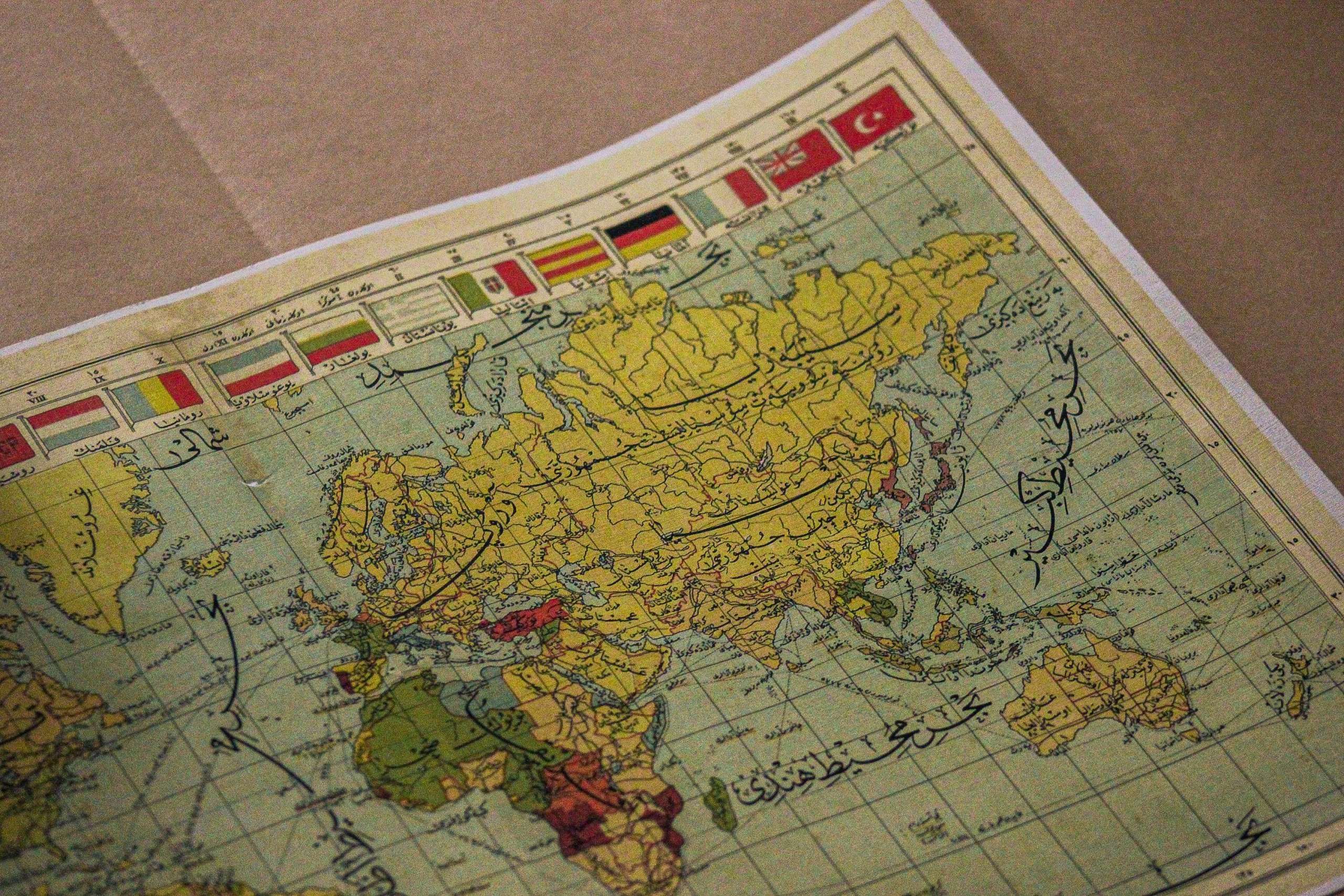
Geopolitics is often framed as a reaction to current events—wars, elections, alliances, and crises that dominate headlines. But beneath the noise lies a set of enduring principles that shape global behavior regardless of the era. Whether examining the rivalry between great powers, the importance of trade routes, or the role of geography in shaping national strategy, the core logic of geopolitics remains remarkably consistent.
For investors, policymakers, and business leaders, understanding these timeless dynamics is not just intellectually interesting—it is essential. The ability to interpret geopolitical shifts through a structured lens can mean the difference between reactive decision-making and strategic foresight.
This article explores the foundational principles of geopolitics that have persisted across centuries, offering a framework for understanding global power today and in the future.
Geography Still Shapes Destiny
Despite rapid advances in technology and globalization, geography continues to exert a powerful influence on national strategy. Countries are not operating in a vacuum—they are constrained and enabled by their physical surroundings.
Nations with access to oceans and navigable waterways have historically enjoyed economic and military advantages. This is why maritime powers such as the United States and the United Kingdom have played outsized roles in global affairs. Sea access facilitates trade, enhances naval power, and allows for greater global reach.
Conversely, landlocked countries often face structural limitations. Their reliance on neighbors for trade access introduces vulnerability and dependency, which can shape foreign policy decisions over decades.
The strategic importance of chokepoints—such as the Strait of Hormuz or the Suez Canal—illustrates how geography can influence global markets. Disruptions in these areas can send shockwaves through energy prices and supply chains, reinforcing the idea that geography is not just a backdrop—it is a central actor.
Power Is Multi-Dimensional
Geopolitical power is not defined by military strength alone. It is a combination of economic capacity, technological advancement, demographic trends, and cultural influence.
Organizations like NATO highlight how collective military alliances can amplify power. Meanwhile, institutions such as the World Trade Organization demonstrate how economic frameworks shape global influence without direct force.
Soft power—the ability to shape preferences through culture, values, and diplomacy—has become increasingly important. Countries that export media, education, and technology often wield influence far beyond their borders.
Economic power, in particular, has emerged as a defining factor in modern geopolitics. Trade relationships, currency dominance, and supply chain control can influence outcomes as effectively as military action.
The Balance of Power Is a Constant Theme
Throughout history, nations have sought to prevent any single power from becoming too dominant. This concept, known as the balance of power, remains a cornerstone of international relations.
When one country rises rapidly, others tend to form alliances or strengthen partnerships to counterbalance it. This dynamic has been visible across centuries—from European power struggles to modern tensions between major economies.
Institutions like the United Nations were designed, in part, to manage these tensions and provide a platform for negotiation. While not always effective, they reflect a broader recognition that unchecked power can destabilize global systems.
For businesses and investors, shifts in the balance of power often signal changes in trade policies, regulatory environments, and market access.
Economic Interdependence: Stability and Risk
Globalization has created a deeply interconnected world. Countries rely on each other for goods, energy, technology, and capital. This interdependence can promote stability by increasing the cost of conflict.
However, it also introduces new vulnerabilities.
Supply chain disruptions—whether caused by political tensions, natural disasters, or pandemics—can have cascading effects across industries. The reliance on specific regions for critical resources, such as semiconductors or rare earth elements, creates strategic chokepoints that governments are increasingly focused on addressing.
Trade agreements and economic blocs play a significant role in shaping these dynamics. Regional partnerships can enhance economic resilience, but they can also create divisions that influence global alignment.
Understanding where dependencies exist—and how they might shift—is a key component of geopolitical analysis.
Technology Is Redefining Power Structures
While geography remains important, technology is reshaping how power is projected and maintained.
Cybersecurity, artificial intelligence, and space capabilities are emerging as critical domains of competition. Nations are investing heavily in these areas, recognizing that future conflicts may be less about physical territory and more about digital infrastructure and data control.
This shift has introduced new forms of geopolitical tension. Cyberattacks can disrupt economies without a single shot being fired. Information warfare can influence public opinion across borders. And technological dominance can determine long-term economic leadership.
The race for technological supremacy is not just about innovation—it is about control, influence, and strategic advantage.
Energy and Resources Drive Strategy
Access to energy and natural resources has always been a central driver of geopolitical behavior. From oil and gas to minerals essential for renewable technologies, control over resources shapes alliances and conflicts alike.
Energy-exporting countries often leverage their resources as strategic tools, while importing nations seek to diversify supply to reduce risk. This dynamic has become increasingly complex with the global transition toward cleaner energy.
Renewable technologies, while reducing dependence on fossil fuels, introduce new dependencies on materials like lithium, cobalt, and rare earth elements. As a result, resource competition is evolving rather than disappearing.
Geopolitical strategies are adapting to this reality, with countries investing in both traditional energy security and the supply chains of the future.
Domestic Stability Influences Global Behavior
A country’s internal dynamics—political stability, economic performance, and social cohesion—play a critical role in shaping its external actions.
Nations facing domestic challenges may adopt more assertive foreign policies to unify public sentiment or divert attention. Conversely, stable and prosperous countries often have greater flexibility in their international engagement.
Demographic trends also matter. Aging populations, youth bulges, and migration patterns can influence economic growth and political priorities, which in turn affect geopolitical positioning.
Understanding these internal factors provides valuable context for interpreting a nation’s behavior on the global stage.
Institutions and Norms Still Matter
Despite criticisms, international institutions continue to play an important role in managing global interactions.
Organizations like the International Monetary Fund and the World Bank influence economic stability, while legal frameworks and treaties establish norms that guide behavior.
These institutions may not always prevent conflict, but they provide mechanisms for cooperation, dispute resolution, and coordination.
In a world of competing interests, shared rules and norms help reduce uncertainty—a factor that is particularly important for global markets.
Uncertainty Is the Only Constant
If there is one universal truth in geopolitics, it is that uncertainty cannot be eliminated—only managed.
Unexpected events—political shifts, technological breakthroughs, or environmental crises—can rapidly alter the global landscape. The ability to adapt to these changes is a defining characteristic of successful nations and organizations.
Scenario planning, diversification, and strategic flexibility are essential tools for navigating this uncertainty. Rather than attempting to predict specific outcomes, effective geopolitical analysis focuses on understanding probabilities and preparing for multiple possibilities.
Key Takeaways
- Geography continues to shape national strategy, even in a digital age
- Power is multi-dimensional, combining military, economic, and cultural influence
- The balance of power remains a central organizing principle
- Economic interdependence creates both stability and systemic risk
- Technology is redefining how power is exercised globally
- Resource access continues to drive strategic decisions
- Domestic conditions heavily influence international behavior
- Institutions provide structure, even in a fragmented world
- Uncertainty is inevitable—adaptability is critical
Final Thoughts
Geopolitics is not a collection of isolated events—it is a system governed by enduring principles. While the players and technologies may change, the underlying dynamics of power, strategy, and competition remain consistent.
For those operating in global markets, the value lies in recognizing these patterns early. By understanding the structural forces that shape international behavior, decision-makers can move beyond reactive thinking and develop strategies grounded in long-term reality.